
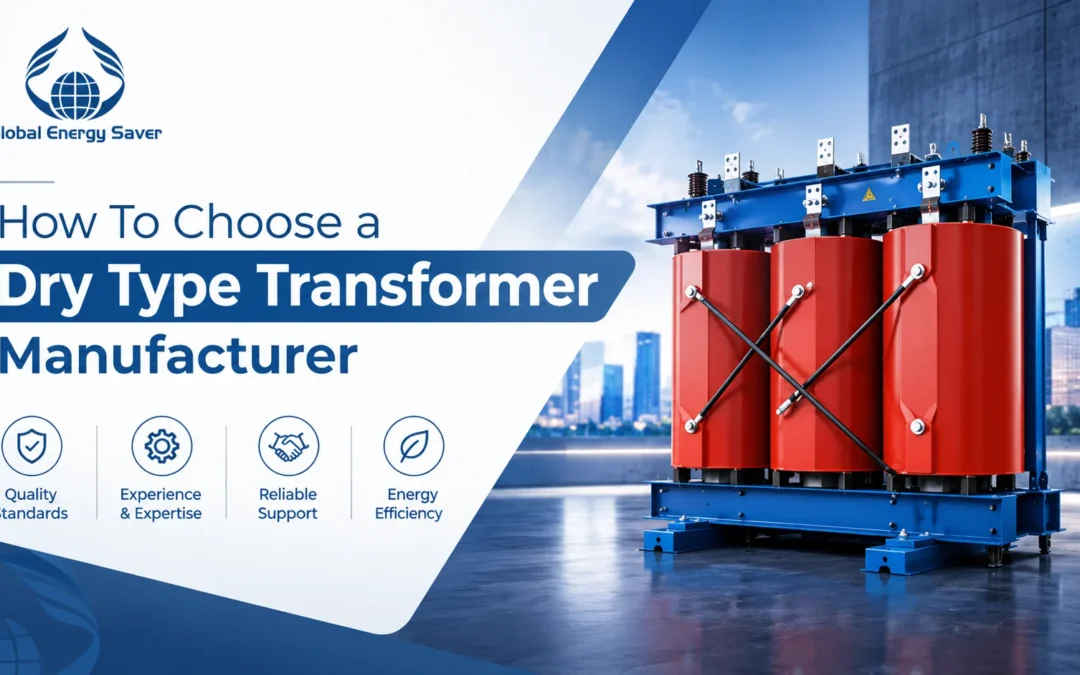
Unlike oil-submerged transformers, a dry-type transformer uses solid insulation combined with air for cooling. Factors concerning the insulation system’s making, the winding operation, the resin procedure, the thermal design, the testing methods, and the quality control systems used affect the performance of a transformer once it has been installed. Thus, careful research should be performed on dry type transformer manufacturers to know how transformers are manufactured and insulated.
What is Dry Type Transformer
A dry type transformer is a type of transformer that carries electrical energy through circuits without requiring insulating oil. The windings are insulated by solid insulating materials, and no heat is generated during service, since it is expelled into the air. The technology has enabled the use of dry-type transformers in various indoor electrical systems, such as in hospitals and industrial sites. Nonetheless, the operation of these transformers heavily relies on the quality of the insulating system employed in them.
How to Select the Manufacturer
Cast Resin and VPI Construction
A cast resin transformer is one that uses epoxy resin for the process of winding encapsulation. The resin is meant to provide electrical insulation. In addition, it works as mechanical support and protection from any moisture and contamination. The mixing, degassing, casting, and curing of the resin should be controlled with great attention.
The vacuum pressure impregnation, or VPI, requires the use of insulation varnish, which is placed in the winding insulation under certain pressure and vacuum conditions. The success of this insulation system is determined by the stages of drying and curing.
Windings and Insulation System
Dry type transformer windings should withstand electrical stress and extreme temperature fluctuations without loss of insulation performance. The choice of conductors, winding shape and type of insulation have a direct impact on the performance of the windings. For cast resin systems, the state of the encapsulated winding is very important as the presence of voids, contamination, or an improper curing process can destroy the insulation system.
Assess Quality Control
Quality assurance needs to encompass the even the whole production process other than just the end product. Find out how the manufacturer is taking charge of the winding, insulating, drying, resin treating, curing, assembling the core, as well as doing the final adjustments.
Consider Application
The manufacturer should analyze the present load pattern, the working environment, necessary methods of cooling and the number of hours it will work before issuing a final decision.
Quality Control Methods
Review Routine and Special Tests
Routine testing involves determining winding resistance, voltage ratio, insulation resistance, imposed voltage, induced voltage, and determining losses without load, losses during load, and measuring the impedance. Instead of relying on product documentation, ask about the test results.
Ask About Partial Discharge Control
Partial discharge is especially relevant to solid-insulated systems. In the case of the cast resin type, voids in the insulator can lead to local electrical discharges. The resin manufacturer should be making all efforts to avoid such defects. Where required, partial discharge tests provide additional confirmation of the insulation quality.
Conclusion
The dry type transformer manufacturers should ensure that you get a suitable rating as well as an appealing price. When choosing a manufacturer, do take note of the construction techniques, insulation technologies, testing methods, documented process, and experience in producing similar transformers. An informed analysis of all these factors would make it possible for you to pick transformers from suppliers like Global Energy Saver that feature dependable operations and excellent functionality.